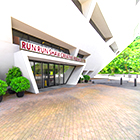
帕尔特诺佩大学
- 建校年份:1919
- 院校性质:公立
- 入读阶段:本科、硕士
- 所在国家(地区):欧洲
- 所在区域:意大利
- 所在城市:那不勒斯市
- 主要院系:
- 知名校友:
The University of Naples Parthenope was established in 1919, when - upon request of Vice Admiral Leonardi Cattolica, founder of the University - an institute of higher education, the Royal Naval Institute, was promoted with the aim to study all aspects of oceans ane seas, not only as far as the marine life is concerned but also as a system of Exchange. This institute was meant to tackle, assess and evaluate the economics issues related to the sea, pursuing scientific developments. In 1999, the two long-standing Faculties of Economics and Nautical Science (later called Science and Technology) were aggregated to three newly established Faculties, namely Law, Engineering and Sport Science, which jointly led the Institute to a significant growth in the number of students ranging from about 1.000 in 1985 to about 13.000 currently. This is how the Institute officially became the University of Naples Parthenope. From July 2013, a new set of degree programmes was introduced, based on the creation of Departments, which develop both research and teaching activities. Among the University’s core aims, it is Worth mentioning the promotion, development, direct application, enhancement and use of Knowledge to contribute to the soscial, cultural and economics development of society. In about one hundred years since its foundation, the most profound and characterizing trait of this University has remained unchanged as its most authentically traditional feature: the ability to interact with the social context and to continuously engagé with its evolving demands.
那不勒斯帕耳忒诺珀大学成立于1919年,当时——应大学创始人莱昂纳迪·卡托利卡海军中将的请求——一所名为皇家海军学院的高等教育机构被提升成立,旨在研究海洋的各个方面,不仅涉及海洋生物,还包括作为交换体系的功能。该学院旨在应对、评估和分析与海洋相关的经济问题,追求科学发展。1999年,长期存在的经济学系和航海科学系(后称科技系)合并为三个新成立的学院,即法律学院、工程学院和体育科学学院,共同推动学院学生人数从1985年的约1.000人显著增长至目前的约13.000人。该学院由此正式更名为那不勒斯帕特诺佩大学。自2013年7月起,基于新设立的院系体系,学校引入了一系列新学位课程,这些院系同时开展研究和教学活动。在大学的诸多核心目标中,值得强调的是促进、发展、直接应用、提升和利用Knowledge,以促进社会的社会、文化和economic发展。自建校约一百年来,这所大学最深刻且具特色的特质始终如一,成为其最真实的传统特征:与social环境互动的ability,并持续响应其不断变化的需求。